
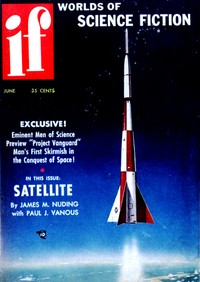
What Shall It Profit? by Poul Anderson
Okay, deep breath. You know how some books yank you in from page one and then constantly remind you how clever they are? Poul Anderson does the opposite. He just sneaks a cool, simple question into your head and then takes you along for a jolting ride. The Hook: What if the past wasn’t done with us yet?
The Story
Historians lead fairly boring lives, right? Karlis Jansons is living proof. He comes across an odd wall in a customer’s house, and when he investigates, he stumbles into something wild—a temple-like space with a weird glowing artifact inside. That thing doesn’t belong to this time. Through it, he sees a window into the past, straight into a Byzantine fortress under attack. But the people inside aren't surprised to see him; they’ve been building this bridge for centuries. The ‘profits’ they offer other timelines? People, ideas, or maybe control—if they can bring enough through. What follows is a cat-and-mouse game unlike any recent time trek.
Why You Should Read It
Reading printed books feels important, and for most fans also real. What if real is just a shade we’re all reading? Anderson doesn’t just bounce his character around different eras. He makes you question the dirty fine print of time travel. Without devoting whole chapters to moral lectures, he sketches characters scattered and imperfect, makes readers wonder if changing things for someone today might profit you—but hand the next world disaster. Karlis isn’t a polished hero; he is a smart person who carries quiet doubts—and that makes his dangerous discoveries genuine. The sharp pacing matches the stakes: every page brings you closer to the crucial point of how anyone can ’cost’ someone else out of their own now. The paranoia creeps up believably; you'll glance out your window more than once after dark.
Final Verdict
This one is for fans of lighter-time narratives or people annoyed by novels that talk too much instead of DO things. 'What Shall It Profit?' serves deep questions without pretending to graduate level thinking. Pick it up if you love roots in history, steady suspense, and endings that earn commitment from you.
Legal analysis indicates this work is in the public domain. Thank you for supporting open literature.


Ashley Williams
7 months agoI appreciate the objective tone and the evidence-based approach.